
Aarogya & India’s Digital Health Evolution
ABDM-Ready. Interoperable. Built for What’s Next.
India’s healthcare ecosystem is moving towards standardized information, interoperable systems and connected digital health services.
Aarogya is evolving alongside this transformation.
Explore the latest developments around Patient Drug Registry, UHI and NHCX × FHIR, understand what they mean for healthcare, and discover how Aarogya is preparing its ecosystem for the next generation of digital healthcare

What’s New in India’s Digital Healthcare Ecosystem?
Three Digital Health Developments. One Connected Healthcare Vision.
ABDM is building an integrated digital-health ecosystem connecting citizens, healthcare professionals, health facilities, health-tech platforms and other stakeholders. Key building blocks include Drug Registry and UHI, while interoperability standards such as FHIR support structured healthcare information exchange.
Patient Drug Registry
- A national repository designed to provide standardized information about approved medicines.
Unified Health Interface (UHI)
- An open network designed to enable interoperable digital-health service delivery.
NHCX × FHIR
- Supporting a more standardized approach to healthcare and claims-related data exchange.
- The direction is clear — healthcare is becoming more connected, standardized and interoperable. Aarogya is ready to move with it.
Patient Drug Registry
Standardized Medicines. Smarter Digital Healthcare.
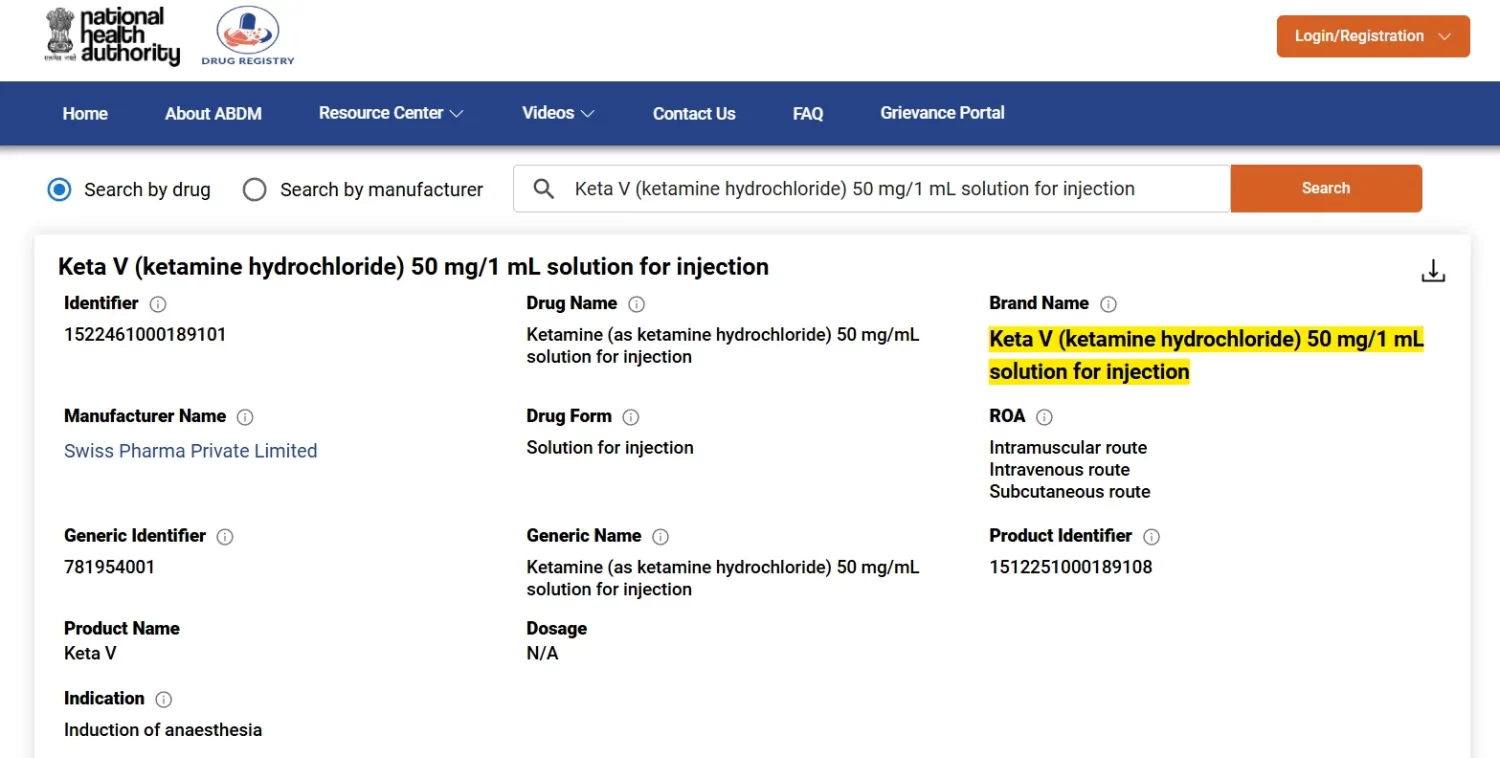
The ABDM Drug Registry is designed to provide a standardized reference for approved medicines in India. It enables healthcare systems to search and work with consistent medicine information across digital workflows.
What Can You Find in the Drug Registry?
The registry can provide information such as:
- Drug Name – Identify the medicine using standardized information.
- Branded & Generic Drugs – Search for medicines across different categories.
- Composition – Understand the active ingredients associated with a medicine.
- Manufacturer – Identify the manufacturer associated with the drug.
- Suggested Usage – Access relevant usage information.
- Alternatives – Discover available alternatives where applicable.
A Simple Example
A medicine such as Paracetamol may appear under different brand names across healthcare systems. A standardized registry helps digital systems identify the medicine through consistent information such as its composition, manufacturer and related details.
Why It Matters
Standardized drug information can support:
Better medicine identification | Consistent digital records | Structured e-prescriptions | Improved pharmacy coordination | More connected healthcare workflows
How Aarogya Supports the Drug Registry Journey
Bringing Standardized Medicine Information Into Connected Hospital Workflows
Aarogya already connects clinical, pharmacy and administrative workflows within its HMIS ecosystem.
As ABDM moves towards standardized medicine information, Aarogya is evolving its digital-health capabilities to support these requirements and create more consistent medicine-related workflows.
Aarogya + Drug Registry

Doctor
✔ Digital prescribing with structured medicine information

Pharmacy
✔ Better medicine identification and pharmacy coordination

Hospital
✔ Consistent medicine information across relevant digital workflows
The goal: Make standardized medicine information part of a connected hospital experience — without disrupting existing hospital operations.
Unified Health Interface (UHI)
Connecting Healthcare Beyond the Hospital
The Unified Health Interface (UHI) is an open network designed to enable interoperable digital-health service delivery. It aims to allow different healthcare applications and services to interact within a connected ecosystem.
What Can UHI Enable?
- Healthcare service discovery
- Digital appointment experiences
- Interoperable healthcare applications
- Secure information exchange between participating applications
- Wider access to connected healthcare services

How Aarogya Fits In
Aarogya already brings together patient registration, appointments, clinical workflows and hospital operations.
As open digital-health networks evolve, Aarogya can help hospitals move towards more connected patient and healthcare-service experiences through applicable integrations and interoperable workflows.
NHCX × FHIR
Moving Healthcare Data Towards Greater Interoperability
Healthcare claims involve multiple stakeholders — hospitals, patients, insurers and TPAs. Standardized digital data exchange can help these systems communicate more efficiently.
FHIR — A Common Framework for Healthcare Data
FHIR (Fast Healthcare Interoperability Resources) provides standardized structures for representing and exchanging healthcare information between different digital systems.
NHCX
The National Health Claims Exchange (NHCX) is part of India's move towards a more connected and standardized digital health claims ecosystem.
What This Means for Hospitals
- Structured healthcare data exchange
- Better interoperability
- Reduced manual documentation
- More connected claims workflows
- Greater digital readiness
What This Means for Hospitals
- Structured healthcare data exchange
- Better interoperability
- Reduced manual documentation
- More connected claims workflows
- Greater digital readiness
Aarogya’s Role
Aarogya connects clinical, billing, pharmacy, laboratory and administrative workflows within one HMIS ecosystem.
As FHIR-based interoperability and digital claims ecosystems evolve, Aarogya is developing its integration capabilities to support more structured, connected and interoperable healthcare workflows, based on applicable implementation requirements.


One Aarogya. A More Connected Digital Healthcare Experience.
Connecting Hospital Operations With the Future of Healthcare
Aarogya brings together the systems hospitals depend on every day — while continuously evolving towards a more connected digital-health ecosystem.

- Clinical Care

- Pharmacy

- Laboratory

- Patient Services

- Billing & Insurance

- Digital Health Integrations
One HMIS. Multiple healthcare workflows. A future-ready digital ecosystem.
Why Aarogya?
Because Digital Transformation Should Build on What You Already Have.
25+ Years
Healthcare technology experience
2,000+ Installations
Trusted hospital software implementations
100,000+ EMRs Daily
Supporting high-volume digital clinical workflows
Connected HMIS
Clinical, administrative and operational workflows in one ecosystem
Integration Ready
Designed to connect with external systems, devices and digital services
Future Ready
Continuously evolving with healthcare technology and digital-health standards
Aarogya × ABDM
Aligned With India’s Digital Healthcare Journey
ABDM is creating an integrated digital-health ecosystem built around accessibility, interoperability, secure digital information and connected healthcare services.
Aarogya is evolving alongside this journey.
Our Focus

Standardization
Supporting consistent healthcare information.

Interoperability
Helping healthcare systems communicate more effectively.

Connected Patient Experience
Making healthcare interactions simpler and more digital.

Connected Hospital Operations
Bringing clinical and administrative workflows together.

Future Readiness
Preparing hospitals for emerging digital-health requirements.
Aarogya is built for today’s hospital — and ready for tomorrow’s digital healthcare ecosystem.
Meet Aarogya’s Digital Health Innovations
Healthcare Doesn’t Stand Still. Neither Do We.
Aarogya AI
- Intelligent automation for smarter healthcare workflows.
Aarogi PHR
- A secure digital health experience for patients.
Aarogya Smart Patient Kiosk
- A faster, more convenient digital front desk for patients.
ABDM-Aligned Digital Health
- Evolving with India's connected and interoperable healthcare ecosystem.
Ready for the Next Generation of Digital Healthcare?
Move Forward With Aarogya
Whether you are exploring ABDM readiness, Drug Registry, UHI, NHCX/FHIR interoperability or a complete HMIS transformation, connect with the Aarogya team.
Frequently Asked Questions
1. What is the Patient Drug Registry?
The Patient Drug Registry is a standardized repository designed to provide consistent information about approved medicines, including drug names, composition, manufacturers, suggested usage and alternatives.
2. Why is Drug Registry important for hospitals?
It can help hospitals work with more consistent medicine information across relevant prescribing, pharmacy and digital healthcare workflows.
3. Is Drug Registry the same as a hospital pharmacy system?
No. Drug Registry provides standardized medicine information, while the hospital pharmacy module manages hospital-specific activities such as inventory, dispensing, purchase and stock management.
4. Is Aarogya aligned with ABDM initiatives?
5. How does Aarogya support Drug Registry?
Aarogya is evolving its medicine-related workflows and integration capabilities to support standardized drug information and connected clinical and pharmacy processes.
6. What is UHI?
UHI, or Unified Health Interface, is an open network designed to enable interoperable digital-health service delivery.
7. What is FHIR?
8. What is NHCX?
9. Why should hospitals prepare for these developments?
Get in Touch
Request a Demo or Custom Quote
Whether you're evaluating hospital software for the first time, replacing an outdated HMS, or expanding into a new facility — our team will help you find the right fit.